

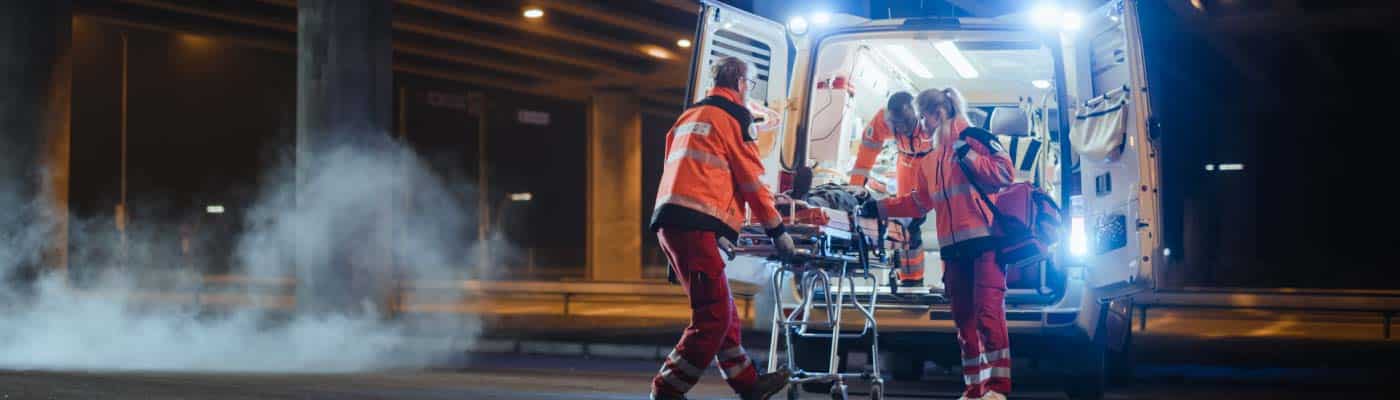
As the first people on the scene of the worst moments of our lives, first responders work hard to offer us relief and reassurance as they take charge of a situation to keep us safe. Whether fighting to put out a raging fire, protecting us from criminal activity or administering medical care in the field, the men and women who hold these positions are there when we need them most. Given the level of trauma a person is exposed to while working as a first responder, mental health care is a critical consideration that requires a unique approach for these critical workers.
Why First Responder Mental Health Needs Are Different
First responders are tasked with initial contact in a variety of emergencies and are expected to take quick action to assess and respond in the moment. These professionals are often called out to scenes that expose them to significant human suffering and loss, sometimes at great personal risk to themselves, and require them to make life-or-death decisions. The high-stress nature of the job, coupled with regular exposure to trauma, puts them at high risk for mental health struggles that could lead to unhealthy coping strategies.
For many years, mental health professionals have worked to address the disproportionate mental health issues found in EMS professionals, firefighters and police officers. One study estimates up to 74% of first responders live with some degree of stress-related disorder. Among the current literature:
- First responders are at significantly higher risk for depression, especially following response to large-scale emergencies.
- Post-traumatic stress disorder (PTSD) is prevalent in all first responder types, with rates increasing for those who respond to large-scale events.
- Around 50% of firefighters admit to turning to substance abuse to cope with job-related trauma.
Working as a first responder carries substantial risks to a person’s mental health, but it’s also important to note the cumulative effect this can have. Depression, PTSD and substance abuse can affect critical decisions during future high-stress events and negatively impact outcomes. These experiences can further traumatize the first responder, worsening their mental health crisis and leading to more extreme coping methods.
Who Do We Treat
At Restore Mental Health, we offer specialized care for all first responders struggling with job-related mental health conditions. Our residential and outpatient treatment program is open to all first responders and those exposed to trauma as part of their job, including:
- Police officers
- Firefighters
- Emergency Medical Technicians and Paramedics
- Correctional service officers
- Dispatchers
- Tow truck operators
- Lifeguards
What Specialized Treatment for First Responders Looks Like
First responders need a targeted treatment approach to address the unique and repeated challenges they face in their profession. For many, workplace cultures that choose not to prioritize mental health care can be difficult to navigate, requiring assistance from an outside source. For a treatment plan to work, it should address depression, PTSD, substance abuse and suicidal ideation, since these are the most common mental health issues faced by first responders. Mental health professionals who work with these groups should have knowledge of the common issues they face and be prepared to work through the established trauma of past experiences while teaching healthy coping skills to navigate future emergencies.
Cultural Barriers to Seeking Help
Despite the clear need for mental health support, many first responders face significant cultural barriers when it comes to seeking help. In high-performance, mission-driven environments, strength and composure are often emphasized, sometimes at the expense of emotional well-being. Admitting to stress, burnout or trauma can feel like a weakness, especially in professions where others rely on you in critical moments.
There is also a persistent concern about how colleagues or leadership may perceive someone who seeks treatment. Fear of being viewed as unreliable, or of being pulled from active duty, can prevent individuals from speaking up. Over time, this silence can allow symptoms to worsen, increasing the risk of depression, substance use or more severe mental health crises.
Addressing these barriers starts with recognizing that mental health care is not a sign of weakness. This is a proactive step toward maintaining the resilience required to perform under pressure. Programs designed specifically for first responders aim to create a supportive, judgment-free environment where individuals can process their experiences without stigma and begin to rebuild in a healthy, sustainable way.
Confidentiality and Career Protection
Concerns about confidentiality and career impact are among the most common reasons first responders delay or avoid treatment. Many worry that seeking help could jeopardize their position, limit advancement opportunities or result in mandatory leave. These concerns are valid, especially in professions where fitness for duty is closely monitored.
Specialized treatment programs are designed with these realities in mind. Confidentiality is a cornerstone of care, with strict protocols in place to protect patient privacy and ensure that personal health information is handled appropriately. Treatment is structured to support recovery while minimizing unnecessary disruptions to a person’s professional life whenever possible.
In many cases, early intervention can actually help preserve a career by addressing issues before they escalate into situations that require more intensive action. By seeking care in a controlled, confidential setting, first responders can stabilize their mental health, develop effective coping strategies and return to their roles better equipped to handle the demands of the job.
How Treatment Can Help
If you’re a first responder who’s struggling with substance abuse, depression or PTSD due to your experiences on the job, help is available. Catching these issues early offers the greatest opportunity for recovery and can help prevent impact severity, so it’s important to prioritize your mental health by seeking help from trained professionals.
Although there are many mental health programs available, finding one that offers a targeted treatment approach that’s specialized in your specific care needs will offer the greatest benefit. Your job exposes you to a unique set of stressors on a regular basis, combined with the pressures of your team’s culture and your personal and professional values. A first responder therapist who’s trained to recognize the distinctive triggers associated with your profession will be best equipped to help you navigate your recovery and arm you with the tools you need to continue your work with healthy coping strategies.
Our first responder program was developed to combine evidence-based therapies and medical care with an overall wellness program that targets the obstacles first responders face. We help you face obstacles specific to your needs and manage your responses in healthy ways during times of stress. Therapists within the program are trained to handle the multifaceted challenges that come with emergency response, while our medical team can address the underlying issues contributing to any substance abuse problems — including co-occurring conditions — to further customize your care plan.
As you undergo psychological and medical treatment to improve your mental health, you’ll also have access to our peer-support group model, connecting you with other first responder patients who share similar experiences. Accepting support from your professional peers can help you progress to a healthier state of mind.
Our Levels of Care
First responder treatment at Restore Mental Health is available across the full continuum of care. The American Society of Addiction Medicine (ASAM) defines these levels based on what a patient needs at a given moment — patients often move across levels as their clinical situation changes.
- Level 1, Outpatient Services: For first responders whose clinical needs are met by scheduled visits without overnight care. Patients continue their normal daily activities and manage treatment attendance on their own. Most appropriate for those in the earliest stages of mental health decline.
- Level 2, Intensive Outpatient (IOP) or Partial Hospitalization (PHP): For patients whose mental health needs have progressed beyond standard outpatient but don’t require live-in care. Therapies and treatments are intensified accordingly.
- Level 3, Residential Treatment: For patients who need a live-in, 24/7 supportive environment. At our Deerfield Beach campus, therapies are scheduled throughout the day so patients can focus entirely on recovery. Appropriate for those experiencing co-occurring mental health conditions or who may be a risk to themselves or others.
Once the treatment plan is completed, our first responder program offers continuing support through our Alumni and Aftercare program. You’ll have access to all our alumni services, group meetings and individual therapy sessions as needed.
Mental Health Conditions We Treat in First Responders
The most common conditions affecting first responders are post-traumatic stress disorder, depression, substance use disorders and suicidal ideation. Generalized anxiety is common as well — many first responders find their nervous system stays activated even when they’re off the clock, making it hard to switch off between calls. While PTSD is often the most prevalent diagnosis given the nature of the work, depression and substance use frequently co-occur — and any combination of these can compound over time without targeted care.
Post-Traumatic Stress Disorder
PTSD is one of the most common and impactful conditions affecting first responders. Repeated exposure to traumatic events — serious injuries, fatalities, violence or large-scale disasters — can leave lasting psychological effects that don’t simply fade with time.
Symptoms may include intrusive memories, nightmares, heightened anxiety, emotional numbness, irritability and difficulty concentrating. These symptoms can interfere with both personal life and professional performance, making it harder to respond effectively in high-stress situations.
Treatment for PTSD in first responders requires a targeted, trauma-informed approach. Evidence-based therapies such as cognitive behavioral therapy and EMDR are used to help individuals process distressing experiences and reduce their emotional impact. In some cases, medication management may also be incorporated to address symptoms like anxiety, depression or sleep disruption.
Depression, Substance Use, and Suicidal Ideation
Depression often emerges in first responders after repeated exposure to difficult outcomes — particularly following responses to large-scale events or sustained periods of high-volume work. Symptoms can include persistent low mood, loss of interest in activities once enjoyed, sleep changes and difficulty maintaining personal relationships.
Substance use frequently develops as a coping mechanism for unaddressed trauma, depression or chronic stress. When substance use and a mental health condition occur together, integrated treatment for both is essential — addressing one without the other rarely leads to durable recovery.
Suicidal ideation is a serious concern in first responder populations and warrants immediate clinical attention. Treatment programs trained in first responder culture can provide a confidential setting in which these thoughts can be addressed before they escalate.
Unique Features of Our Program
At Restore Mental Health, we understand first responders deserve care matched to the realities of their work. Two features in particular set our program apart.
Neurological Treatment
Restore Mental Health offers first responders the benefit of a comprehensive neurological assessment using EEG brain mapping and neuroimaging to identify areas of the brain that may be physically affected by their mental health conditions. This neuro rehab process can alleviate the shame a patient feels for struggling with their mental health while allowing our team to more effectively customize your treatment plan. The result is a speedier and more complete recovery.
First Responder Peer Community
No one understands the struggles you face more than those who share your experiences in the line of duty. That’s why we have created a community of your peers to work with through your recovery. Evidence shows first responders are more likely to open up about their experiences to other first responders, giving you a solid chance of completing your program and returning to your life and work.
Frequently Asked Questions
Will seeking mental health treatment affect my career as a first responder?
Concerns about career impact are valid, but specialized treatment programs are designed with these realities in mind. Confidentiality protocols are in place to protect patient privacy, and treatment is structured to minimize unnecessary disruptions to your professional life. In many cases, early intervention actually helps preserve a career by addressing issues before they escalate.
What conditions are most common among first responders?
The most prevalent are post-traumatic stress disorder, depression, substance use disorders and suicidal ideation. PTSD is often the most common diagnosis due to repeated exposure to traumatic events, but depression and substance use frequently co-occur and require integrated treatment.
What's the difference between burnout and PTSD?
Although burnout and PTSD share some symptoms, they’re different. Burnout is a state of emotional and mental exhaustion, often accompanied by cynicism and detachment. PTSD is a mental health condition that includes intrusive memories and flashbacks. You can typically recover from burnout with rest and support, whereas PTSD usually requires professional treatment.
What is secondary trauma?
Secondary trauma happens when you’re repeatedly exposed to the traumatic experiences of the people you respond to or care for. Without support, its effects can build over time, which is why it’s worth taking seriously even when you weren’t directly in harm’s way.
How is first responder mental health treatment different from standard care?
Specialized programs combine evidence-based therapies with trauma-informed care delivered by clinicians who understand first responder culture. Peer support from other first responders is also a defining element — first responders are more likely to open up to others who have shared their experiences in the line of duty.
What levels of care does Restore Mental Health offer for first responders?
Restore offers care across the continuum — outpatient, intensive outpatient (IOP), partial hospitalization (PHP) and residential treatment — at our Deerfield Beach campus. Treatment matches what each patient’s clinical situation requires at that moment, with the ability to step up or down as needs change.
Is treatment at Restore Mental Health confidential?
Yes. Strict confidentiality protocols protect patient privacy at every level of care, and personal health information is handled in accordance with HIPAA and applicable professional standards. Confidentiality is one of the foundations of first responder care at Restore.
Seek Help Now
As a first responder, you’ve dedicated your professional life to saving others when they’re in greatest need. The best way to offer your full support to the people you’ve sworn to protect is to take care of yourself so you’ll be ready the next time someone’s life depends on your skills. If you find yourself struggling with depression, PTSD, addiction or thoughts of suicide, call us today to find out how our first responder program at our Deerfield Beach campus can help you get back on track. You’ve always been there when we’ve needed you — maybe now it’s time for us to return the favor.
Contact Restore Mental Health