

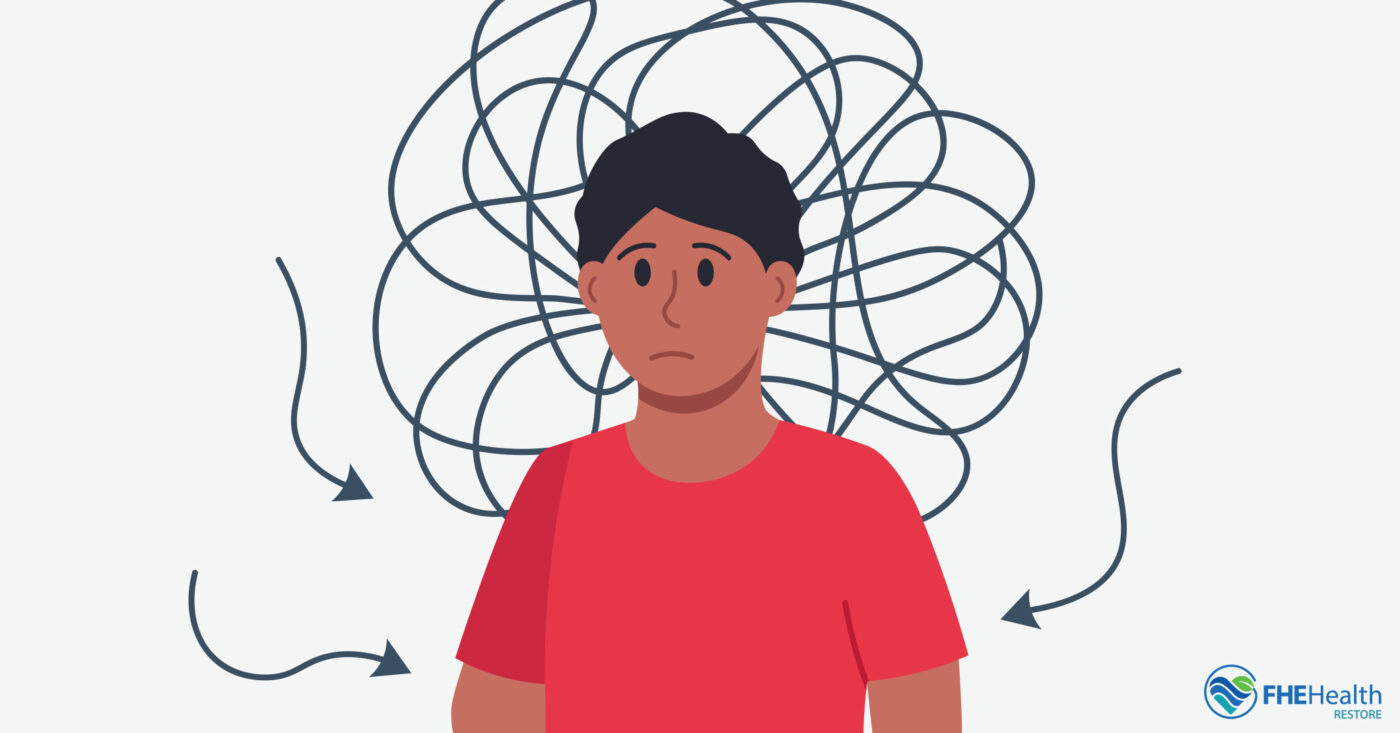
Hypercritical personality types may not receive as much attention as they should, in part because “hypercritical personality disorder” isn’t a standalone diagnosis found in the Diagnostic and Statistical Manual of Mental Disorders (DSM). Rather, it’s a collection of traits seen in a variety of other diagnoses, including obsessive-compulsive personality disorder (OCPD), depression, anxiety and some personality disorders. Hypercritical individuals often find their interpersonal relationships suffer because those around them find dealing with frequent, harsh criticism to be draining. However, it is possible for a person with such traits to learn how to manage critical thoughts and maintain better interpersonal relationships.
Signs of a Hypercritical Person
The Diagnostic and Statistical Manual of Mental Disorders, Fifth Edition (DSM-5) does not recognize hypercritical disorder as an official personality disorder. Personality disorders as a category are common, though: according to NIMH figures drawn from the National Comorbidity Survey Replication, an estimated 9.1% of U.S. adults had a personality disorder in the past year.
So how do you identify hypercritical personality types? Are there typical traits involved?
Although hypercritical disorder is not an officially recognized mental health condition, people with hypercritical traits do tend to exhibit the following:
- They have extreme difficulty establishing and maintaining close relationships with others due to their critical behavior.
- They have an unclear or unstable sense of identity that may change depending on who they’re speaking to or the situation they’re in.
- They lack insight into how and why their behaviors and thoughts are deemed unacceptable or problematic to others.
- They struggle with praise and tend to engage in chronic fault-finding.
- They have a sense of perfectionism, directed both inwards and outwards.
What Drives Hypercritical Behavior?
Anxiety or a feeling of low self-worth is a common factor in hypercritical patterns. Some other common contributing factors include:
- Trust and intimacy issues, which are often linked to childhood trauma or abuse.
- Exposure to verbal abuse in childhood, which is associated with a greater likelihood of verbally abusing others in adulthood.
Hypercritical individuals often mirror the behavior they saw during childhood. The behaviors they engage in are familiar to them and may even be comforting to them.
Related Conditions
Many controlling individuals who take their behavior to extremes may have obsessive-compulsive personality disorder (OCPD). This is a different diagnosis from obsessive-compulsive disorder, which is a type of anxiety disorder.
Individuals experiencing OCPD become preoccupied with their obsessive thoughts. They’re so mired in rules, schedules, lists, organizing and order that their rigid adherence to unattainable standards of perfection means they cannot or rarely finish tasks.
As a result, they cannot delegate assignments to others and may struggle with empathy. Stubbornness is a common trait. They tend to rebuke others. Everything must be done to their impossibly high standards.
In this, individuals with OCPD and hypercritical personality types seem similar. They are both hypercritical people and perfectionists, demanding and exerting control. Many of these individuals have hypercritical, controlling or perfectionist parents.
Other conditions often associated with hypercritical traits include depression, anxiety and narcissistic traits.
What Is It Like to Have Hypercritical Traits?
When hypercritical patterns turn inward, you may find yourself feeling inadequate. Furthermore, nothing you do measures up to whoever you’re comparing yourself or others to. It’s unfair, of course, but hypercritical personality types often feel like there isn’t anything they can do to change things.
Besides never feeling good enough, people with hypercritical traits tend to:
- Worry about being judged for things they say or do.
- Be afraid to act because they’ll make mistakes, and others will see their flaws.
- Believe they are worthless and don’t deserve attention, love or support.
- Constantly think critically of themselves or others.
- Find it hard to get things done because they’re worried about doing them wrong.
- Give up on any dreams they have because they feel unable to achieve them.
- Be unaware that the individuals heaping the verbal abuse on them are not telling the truth.
- Never raise objections to the criticism since they firmly believe it is valid.
- Disbelieve anyone who tells them that they are being mistreated or verbally abused or that they have value, strength and talents and are worthy of being loved.
That constant striving for perfection leads to profound dissatisfaction, anger, frustration, depression and futility. For anyone with underlying anxiety and depression or who may be experiencing substance use, homelessness, grief, trauma or other issues, trying to be perfect is an unwelcome extra burden.
Social media and aspirational content on TV can make day-to-day life harder for people with hypercritical patterns. When you’re surrounded by people showing carefully constructed highlights, it’s easy for anyone to feel inadequate. Those feelings tend to be amplified for someone already prone to harsh self-evaluation.
Can It Change? Treatment and Support for Hypercritical Traits
As with any personality disorder, hypercritical personality types may substantially benefit from psychological counseling and therapy. Yet, personality disorders are some of the most challenging mental health conditions to treat.
This does not mean treatment is impossible or won’t be effective. On the contrary, learning to reframe hypercritical thoughts can help people live a more fulfilling life.
The counselor or therapist will conduct a thorough examination, including asking questions about the individual’s physical and mental health history, relationships and employment.
Some questions seek to test the individual’s overall sense of reality and whether they’re experiencing delusions or hallucinations. Some individuals with hypercritical traits tend to exaggerate or minimize facts, distort truths, misrepresent information to avoid criticism or exhibit extremes in behavior, thoughts and words. Testing the person’s impulse control is also of interest to the therapist.
Why does the psychiatric professional ask these questions? People with hypercritical patterns generally lack an understanding of their own behaviors. Understanding why they do what they do, or why their beliefs are distorted, untrue or hurtful, can help them move forward to live a meaningful life.
Currently, no medications are approved to treat personality disorders. However, treatment professionals can prescribe medications to help improve anxiety and depression symptoms, which are commonly experienced by those with personality disorders.
What Treatment Seeks to Accomplish
Treatment for hypercritical traits, as with the goals for other types of mental health issues, typically focuses on the following:
- Assisting the individual in understanding that what they’re going through is an internal problem — and not something other people caused. (Even if the person suffered greatly at the hands of a verbally abusive parent, their current mental health state is something that they may be able to improve with appropriate counseling and support.)
- Substantially reducing any immediate psychological distress, such as the mental anguish of depression and anxiety.
- Guiding the individual toward reducing behavior that is causing them or the people around them harm.
- Seeking to modify the personality traits causing the most difficulty.
The Role of Self-Criticism in Psychological Well-Being
While everyone desires self-improvement, being unduly harsh with self-criticism can stunt and substantially damage psychological well-being.
Most research in this area has looked at criticism coming from other people rather than from oneself. A 2023 study of 44 adolescents with a history of anxiety found that those with stronger neural reactivity to recordings of their parents’ criticism reported less happiness during positive day-to-day social interactions. Whether the same mechanisms hold for self-directed criticism hasn’t been established in the same way, though harsh self-evaluation is widely recognized in clinical practice as a factor in low self-esteem and depressive symptoms.
- Extensive self-criticism can diminish self-esteem and confidence.
- Constantly self-berating thoughts can lower goal expectations.
- Healthy self-critique, by contrast, can lead to a balanced reassessment of priorities, eliminating undesirable behaviors and thoughts, and adding proactive goals and activities more in line with a happier life.
Healthy Self-Evaluation: Strategies for Maintaining Balance
Everyone wants to live a happy, fulfilling life. Despite coming from disadvantaged backgrounds, suffering childhood trauma, or growing up in a household with hypercritical people, it is still possible to thrive in adulthood. The key to healthy self-evaluation involves using effective ways to maintain balance in life:
- Be honest when speaking about your experiences. Avoid exaggeration of accomplishments or downplaying challenges.
- Openly express feelings yet do so responsibly. This means not dumping emotional overload on loved ones, family members and friends.
- Refuse to do what you know you don’t want to. This means turning down invitations, suggestions or demands to engage in behaviors you know are unhealthy for you or make you feel uncomfortable, demeaned or controlled.
- Let others know your expectations instead of assuming they know what you expect.
- If you have problems with others, speak with them to address them.
- Avoid putting off a response. Be direct and reply when the situation calls for it.
- Strive to be adaptable and avoid rigid adherence to patterns or behaviors.
- Give yourself time to relax and unwind. This also means taking a break from overly burdensome responsibilities or hectic schedules that cause stress.
Frequently Asked Questions
Getting Help With Hypercritical Traits
The team at Restore Mental Health has experience supporting individuals with personality disorders through a variety of therapeutic methods, helping them build stronger and healthier relationships. With support from trained professionals, it is possible to manage hypercritical patterns. Contact our admissions team today to learn more about the support we offer.
Contact Restore Mental Health
