

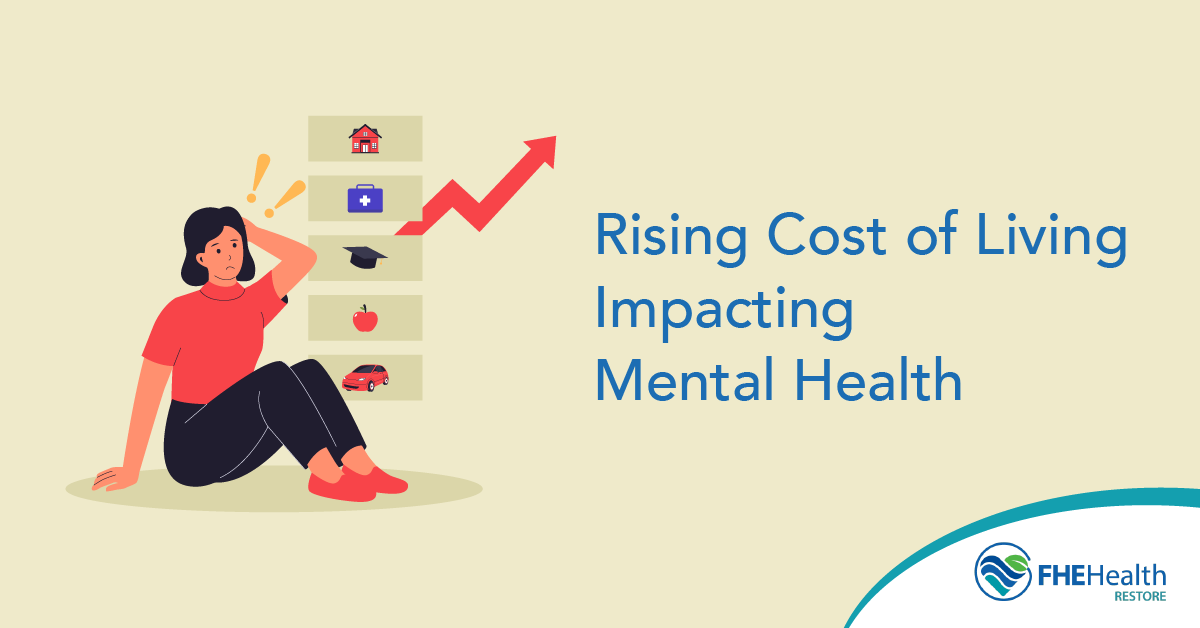
The price of everything, including rent, groceries and gas, keeps going up. You work hard, but your paycheck doesn’t stretch as far. If you’re wondering if there’s a link between the cost of living and mental health, there can be. The rising cost of living can even create a mental health crisis.
The Link Between Cost of Living, Mental Health and Financial Stress
Money problems don’t stay in your wallet. They seep into every part of your life. When you’re constantly worried about making ends meet, your brain stays in crisis mode. This can take a serious toll.
Similar to physical danger, financial stress can trigger a fight-or-flight response. Your body releases stress hormones like cortisol and adrenaline. These are helpful in short bursts, but constant exposure damages your mental and physical health.
Cost-of-living mental health issues may start small. You may feel more anxious than usual, have trouble sleeping and snap at people over minor things. But as financial pressure continues, these symptoms can spiral into serious conditions.
Research shows a direct connection between economic hardship and mental illness. People facing financial difficulties are more likely to experience depression and anxiety. The stress of choosing between paying rent or buying food creates unbearable psychological pressure.
This isn’t about being weak or not managing money well. When the cost of basic necessities outpaces wages, even careful budgeting isn’t enough.
Who Is Most Affected by Economic Pressures?
Economic stress doesn’t impact everyone equally.
- Young adults struggle significantly. Many carry student loan debt while facing entry-level wages that haven’t kept pace with inflation.
- Single parents face enormous challenges. With only one income supporting multiple people, there’s no financial cushion. The constant juggling of bills and childcare creates relentless anxiety about cost-of-living increases.
- Low-wage workers are hit hardest. They may be employed full-time but still can’t cover basic expenses. Working multiple jobs leaves no time for rest. This combination of financial stress and exhaustion devastates mental health.
- Elderly people on fixed incomes. The elderly may notice their purchasing power shrinking. Rising costs for medications and housing force impossible choices.
Anxiety, Depression and Burnout in a Strained Economy
Cost-of-living stress manifests in several mental health conditions. Understanding these can help you recognize when you or someone you love needs support.
Anxiety is one of the most common responses to financial pressure. You might experience constant worry, racing thoughts or physical symptoms like rapid heartbeat and sweating. You check your bank account obsessively. Every unexpected expense feels like a catastrophe.
Depression often follows prolonged financial stress. You feel hopeless about your situation ever improving, and you lose interest in activities you once enjoyed because you can’t afford them or don’t have the energy. You might also isolate yourself out of shame or because you can’t participate in social activities that cost money.
Burnout happens when you’re working constantly just to survive. You feel emotionally exhausted and detached. Nothing brings satisfaction because you’re just trying to keep your head above water. This is especially common among people working multiple jobs.
Some people develop unhealthy coping mechanisms. Substance use may increase as people try to numb their stress. Relationship conflicts escalate when couples argue about money. Physical health deteriorates from stress, poor nutrition and skipping medical care due to cost.
The shame associated with financial struggles often prevents people from seeking help. This stigma keeps people suffering in silence when they need support most.
Coping Strategies for Financially Induced Stress
While individual coping strategies can’t solve systemic economic problems, they can help manage the mental health impact.
Talk about your struggles. Shame thrives in silence. Opening up to trusted friends or family members can provide emotional relief. You might discover they’re facing similar challenges. Shared experiences reduce isolation.
Set small, achievable financial goals. When the big picture feels overwhelming, focus on what you can control. Maybe it’s saving five dollars this week or meal planning to reduce food waste. Small wins build confidence and reduce helplessness.
Practice stress management techniques. Deep breathing, meditation and gentle exercise don’t cost money but can significantly reduce anxiety. Even a 10-minute walk can help clear your mind and lower stress hormones.
Limit financial news and social media. Constant exposure to economic doom or others’ seemingly perfect lives increases stress. Set boundaries around when and how much you engage with these triggers.
Seek free or low-cost mental health support. Many communities offer sliding-scale therapy, support groups or crisis hotlines. Employee assistance programs sometimes provide free counseling sessions. Don’t let cost prevent you from getting help.
Focus on relationships and free activities. Connection with others supports mental health. A phone call with a friend, playing games at home or enjoying nature cost nothing but provide real benefits.
Community and Government Resources for Support
Many resources exist to help ease financial burdens:
- Government assistance programs can provide crucial support. SNAP benefits help with food costs. Medicaid offers health coverage. Housing assistance programs help with rent.
- Local food banks provide groceries at no cost. Many also connect people with other resources.
- Community mental health centers offer affordable therapy based on your ability to pay.
- Nonprofit organizations provide various types of assistance. Some help with rent or utilities; others offer job training.
- Financial counseling services can help you navigate debt and create budgets. Many nonprofits offer this for free.
Why Economic Mental Health Needs Policy-Level Solutions
Individual coping strategies help, but they’re not enough. The effect of the cost of living on mental health is a systemic problem, requiring systemic solutions.
Wages haven’t kept pace with the cost of living. A full-time minimum wage job can’t cover basic expenses in most areas. Affordable housing is increasingly scarce. When most income goes to rent, there’s nothing left for emergencies. Health care costs, including mental health treatment, remain prohibitively expensive.
Student debt burdens entire generations. Young people can’t build stability when loan payments consume their income. Addressing the cost of living and mental health requires policy changes. Living wages, affordable housing, health care reform and student debt relief would prevent suffering.
Find Support for Financial Stress and Mental Health
If cost-of-living stress is affecting your mental health, you don’t have to face it alone. The anxiety, depression and overwhelming pressure you feel are valid responses to real economic hardship. Seeking help isn’t a sign of weakness. It’s a courageous step toward healing.
At Restore Mental Health, we understand how financial stress impacts every aspect of your well-being. Our compassionate team can help you develop coping strategies, process difficult emotions and find your path forward. Your mental health matters regardless of your financial situation. Contact us today to learn how we can support you through this challenging time.