

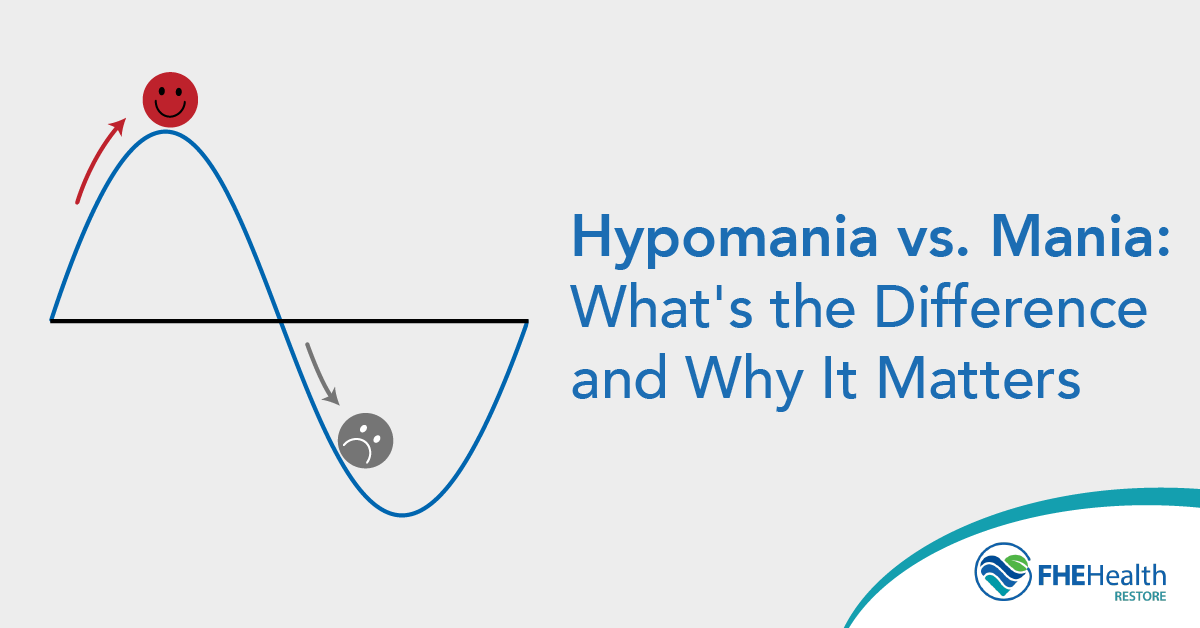
Hypomania and mania are terms that describe periods of unusually high energy, mood, and thinking. While everyone has emotional highs and lows, what distinguishes manic episodes from normal emotions is that they last for several days. They are a departure from normal behavior and are such that other people notice the difference. If you experience manic and hypomanic episodes, you may have bipolar disorder, a condition that affects up to 2.8% of the U.S. population. At Restore Mental Health, we understand that manic behavior is distressing, and our mental health team is on hand to help treat your condition.
What Mania Feels Like From the Inside
If you’re having a manic episode, it’s unlikely you’ll be aware of it, especially at first. You’ll start by feeling full of energy and euphoric. Mania often follows a period of depression, and it can seem like you’re throwing off the heavy and dark feelings you’ve been experiencing. During this period, you’ll experience life differently. For example:
- You don’t feel tired. You don’t need much sleep and may stay awake the whole night.
- Your mind speeds up. Ideas keep coming into your head, and you jump from one topic to the next.
- You feel extremely confident and able to take on anything. You believe you’re being incredibly creative and can solve all the problems that have been bothering you for so long.
- You feel impulsive. During this period, you make great plans on impulse and may act recklessly.
- You’re impatient because other people can’t keep up. You can’t understand why everyone else is not on board with your thoughts and ideas, and their resistance and tardiness irritate you.
- You believe you can see things more clearly. Everything seems so clear, and you see things that other people can’t.
The feelings of euphoria and energy may last for a week or longer. Eventually, you run out of energy and collapse in exhaustion. As the high wears off, you may start to feel depressed.
What Hypomania Feels Like — and Why It’s Often Missed
Hypomania is a less severe form of mania. The highs are not as exaggerated, and you continue to function normally. A hypomanic episode typically lasts for three to four days before you return to normal.
Symptoms of Hypomania
Typical symptoms of hypomania include:
- Unusually high energy levels
- Happiness
- Less sleep than normal
- Talkativeness
- Easy distractions
- Your mind is busy with many different ideas
- You become completely immersed in your activities
- Impulsiveness
Key Differences between Mania and Hypomania
There are differences between mania and hypomania. These include the severity of the symptoms, episode duration, psychotic symptoms and the need for hospitalization.
Severity of Symptoms
There’s a degree of overlap between the symptoms of hypomania and mania. Someone with mania has more pronounced, exaggerated symptoms; the manic person’s behavior is bizarre, irrational, and uncontrollable. They’re often incapable of continuing with normal activities.
Conversely, a person with hypomania remains rational and in control. Their symptoms are not as severe, and they can continue to live a relatively normal life.
Episode Duration
The symptoms of full-blown mania last for a week or longer. The irrational behavior often continues until some form of intervention occurs. After an episode, the individual may have little recollection of their manic behavior.
The symptoms of hypomania usually subside after a few days. Afterwards, the individual feels embarrassed or overwhelmed by their behavior. They can generally remember what happened.
Presence of Psychotic Symptoms
During manic episodes, the individual often exhibits psychotic symptoms. These include hallucinations, delusions, and disorganized thinking that make their behavior uncontrollable. A person with hypomania does not usually demonstrate psychotic symptoms.
Hospitalization Risk
A person who is experiencing a manic attack often needs emergency hospitalization, where they are stabilized and sedated. If the condition is left untreated, the possibility of successive periods of mania is high. During those periods, there is a significant risk of emotional damage and physical harm.
People with hypomania don’t usually need hospitalization, but may require sedation until the episode is over.
How Both Relate to Bipolar I and Bipolar II
Hypomania and mania are not generally standalone conditions but are usually associated with a bipolar disorder. These disorders are typified by large mood swings, usually from depression to mania and back into depression.
Bipolar 1 Disorder
This is a mood disorder where a person experiences periods of mania that last for seven or more days, generally followed by a period of major depression. During periods of mania, the individual may require hospitalization and cannot care for themselves.
Bipolar 2 Disorder
This is a less severe form of the illness where the individual has had at least one period of hypomania followed by depression. The high, or hypomania, is not as severe, but the period of depression can be long and deep.
Recognizing It in Yourself vs. Someone Else
It’s difficult to recognize hypomania or mania in yourself. You may feel terrific, be enjoying the high and decide it’s great to be normal again. Another person, especially someone close, will recognize the signs of mania, but it takes a great deal of personal insight to believe them. Here are some ways to self-diagnose a manic or hypomanic attack.
Self-Care: Understand Your Triggers
Although everyone reacts differently, certain events may trigger mania or hypomania, including:
- Stress
- Exhaustion
- Lack of sleep
- Drugs and alcohol
- Major life change
- Illness
- Sensory overload
Self-Care: Keep a Mood Diary
Use a mood diary to track your moods and identify triggers. The diary will help you recognize abnormal patterns and when you should talk to a healthcare provider. It helps to have a trusted friend who can warn you if they see your mood changing.
When to Seek an Evaluation
If you notice that you, or a loved one, has an unusually elevated mood and increased energy, there may be a risk of hypomania or mania. You should speak to a physician or therapist. This risk is higher if the elevated mood follows a period of depression.
FAQ
How is hypomania different from mania?
Hypomania is less severe than mania, and you don’t normally experience irrational behavior or psychotic symptoms.
I have Bipolar 1 disorder, but feel fine: Can I stop my medication?
No, you should not stop taking your medication. The medication stabilizes your mood and prevents a manic episode.
Can Bipolar 2 progress to Bipolar 1?
No, it’s not usual for bipolar 2 to transition to bipolar 1.
Finding the Right Treatment for Mania and Hypomania
If you’re concerned about unusual mood swings, contact us at Restore Mental Health and speak to a counselor. Our skilled mental health professionals can diagnose your condition. With the right bipolar diagnosis, treatment, and therapy, we can help you live a normal and productive life.

