
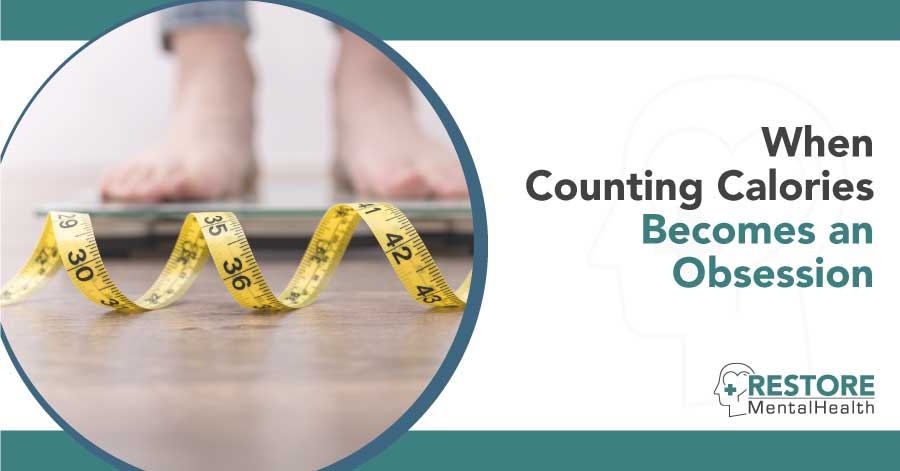
Most people have considered counting calories at some point in their adult lives. You might’ve focused on your calorie intake leading up to a significant life event, like a wedding or vacation, or simply felt the pressure to watch your weight as the summer months and swimsuit season approached. There are plenty of apps available that not only make it easy to count calories but encourage you to do so. In a world where so much emphasis is placed on appearance, at what point does counting calories become dangerous? Is counting calories an eating disorder if you don’t do it all the time? Find out how to stop obsessing over calories, how calorie counting relates to eating disorders like orthorexia and binge eating disorder, and how to create a healthy relationship between your mind and body.
Is Counting Calories Unhealthy?
Counting calories is often promoted in Western culture as a trendy way to lose weight. However, there are potential problems with focusing on calorie counting in daily life. While watching what you eat in order to maintain a healthy diet is unproblematic, it becomes troublesome when you start restricting your calorie intake to the point that you’re no longer nourishing your body. Too much focus on cutting calories can also result in feelings of guilt, stress and anxiety surrounding eating and food.
Calorie tracking apps like My Fitness Pal have been linked in studies to disordered eating. In a 2017 study, about 74% of participants with eating disorders reported using My Fitness Pal to track calories, and 73% of them said the app contributed to their eating disorder symptoms.
Is Counting Calories Ever Healthy?
Counting calories can be a beneficial weight loss technique by helping you gain awareness of what you’re eating and how much you’re consuming at each meal. As a short-term weight loss strategy, especially when overseen by a nutritionist or dietician, calories counting may result in some benefits. However, calorie counting as a long-term mindset towards food is often unhealthy for the mind and body. Many registered dieticians recommend against counting calories as a weight loss technique.
When Is Counting Calories an Eating Disorder?
A calorie counting disorder develops in several ways. Counting calories can be unhealthy from the outset if the goal behind this decision is unhealthy — for example, counting calories as a way to lose weight with a target goal weight that’s below the recommended weight bracket for your height. An eating disorder is when there are severe and persistent behavioral conditions surrounding eating that result in distressing thoughts and feelings. Anytime you experience negative emotions or anxiety regarding food consumption, you may be exhibiting signs of an eating disorder or disordered eating.
Eating Disorder vs. Disordered Eating: What’s the Difference?
Non-disordered eating occurs when someone is able to mindfully eat their food when they’re hungry and make the decision to stop eating when they become full. Eating disorders are typically classified by extreme concerns in mental health, body weight, body image and overall health. Examples are anorexia nervosa, bulimia nervosa and binge-eating disorder.
Disordered eating is a much broader term that encompasses a wide range of irregular eating habits or patterns that aren’t severe or problematic enough to be categorized as an eating disorder. Counting calories can result in disordered eating if any of these criteria are present:
- A distorted body image
- Calorie intake is the primary measure of self-worth
- Restricting many foods or eliminating entire food groups from your diet
- Skipping meals
- Feeling like you’re out of control when you consume calories or excess calories
- Feeling guilt or shame if you exceed your desired calorie intake
Indicators That Your Calorie Counting Is a Mental Health Problem
If you become aware that your calorie counting is a problem, you might wonder what this issue is stemming from and what state your mental health is in. Eating disorders like anorexia and bulimia are common in the United States. However, eating disorders as the primary health concern aren’t the only instances when your mental health can impact your calorie counting habits.
Other mental health conditions, like anxiety or obsessive-compulsive disorder (OCD), can contribute to individuals developing obsessive behavior or a dependency on calorie counting. Studies indicate that tendencies towards orthorexic behavior are associated with symptoms of OCD. This is because people with OCD experience catastrophic thinking without the comfort of performing ritualistic behaviors. The same issue can result when they attempt to stop calorie counting and it becomes a ritual or dependency.
A 2022 study in Turkey found there was a significant relationship between individuals having an anxiety disorder and exhibiting patterns of orthorexia. This could be partially attributed to the low self-esteem in these individuals.
Orthorexia and ARFID: Lesser-Known Eating Disorders
When most people think about eating disorders, bulimia and anorexia come to mind. However, recent trends have drawn attention to an unhealthy obsession with healthy eating: orthorexia nervosa. This disorder causes rapid weight loss and an obsession with food like anorexia, but instead of trying to lose weight, people starve themselves in the name of clean eating.
Others live with avoidant restrictive food intake disorder (ARFID), which causes similar weight loss but without the preoccupation with their appearance. Instead, these individuals have an extreme case of picky eating. This condition might sound harmless, but ARFID can result in severe medical issues and even death.
What Is Orthorexia Nervosa?
Today’s health-conscious consumers prefer meals with natural ingredients, few artificial chemicals and no fat, sugar or calories. In moderation, a vegan or vegetarian diet helps people lose or maintain weight and improve bodily functioning. Fresh fruit and vegetables supply their bodies with nutrients, while drinking plenty of water keeps them energetic and hydrated.
A healthy eating disorder sounds like a contradiction. However, obsessions with healthy eating can lead to orthorexia. Instead of eating responsibly, people with orthorexia nervosa stress over their diets, punish themselves for cravings and cut out so many food groups that they lose vital nutrients.
People with orthorexia eating disorders often believe misconceptions like these:
- Consuming only water for a week will purify your body.
- All fats and carbohydrates are unhealthy.
- Juice cleanses eliminate toxins from your system.
- The healthiest diet consists solely of fruits and vegetables.
- All processed foods are toxic.
- If you don’t recognize an ingredient on a label, it must be bad for you.
- Eliminating entire food groups promotes a clean diet.
Anything with sugar, salt, calories or additives is a “dirty” food that people feel guilty about eating. This contributes to their ortho eating disorder, as they obsess over “clean” foods and try to control what their friends and relatives eat.
Symptoms of Orthorexia
As the eating disorder progresses, loved ones start to suspect that the diet has taken over their life. Signs of orthorexia eating disorders include:
- Reading every nutrient label
- Refusing to eat processed foods
- Claiming that frozen and canned vegetables are unhealthy
- Stressing when they can’t find “clean” foods
- Losing too much weight
- Obsessively planning every meal
- Feeling guilty when they eat “unclean” foods
- Following every clean eating social media profile they can find
- Sticking to a small, strict list of ingredients
- Refusing spontaneous meals
- Telling other people what to eat
Every food group contains essential nutrients. Someone who eats only fruits and vegetables could miss out on fiber and protein. Likewise, a dairy-free diet with no substitutes could lack calcium and healthy fats. While clean eating websites claim otherwise, fad diets often leave people malnourished.
Signs of malnutrition include:
- Excessive weight loss
- Fatigue
- Weakened immune system
- Hair loss
- Sensitivity to cold
- Pale skin
- Lack of appetite
- Sunken eyes
- Depression
Fad diets often cause intense cravings. Sometimes, people with orthorexia binge on “forbidden” foods and feel guilty afterward. They may overcompensate by doubling down on clean eating, which causes more anxiety and malnourishment.
What Is ARFID?
Avoidant restrictive food intake disorder (ARFID) involves extremely selective eating. People with ARFID may refuse to eat or eat only specific foods, such as crackers, cereal or grapes. They decline meals with even small amounts of other ingredients. As a result, visiting restaurants or eating food other people prepared is virtually impossible.
ARFID rates are higher in autistic and other neurodivergent people with taste or texture sensitivities. For them, eating the wrong texture is almost physically painful. Children tend to be picky eaters, but if they don’t grow out of it, they might develop ARFID. Mental illnesses, particularly anxiety, also make people more likely to develop ARFID.
People with ARFID aren’t obsessed with clean eating or losing weight. Instead, they simply struggle to eat various foods. Mealtimes become a daily battle if they can’t eat what they want.
Signs and Symptoms of ARFID
Over time, selective eating becomes a medical condition. Frequent signs of ARFID include:
- Rapid weight loss
- Refusal to eat anything but a strict list of foods
- A list that becomes increasingly narrow
- Stomach issues, such as nausea and constipation
- Complaints about tastes and textures
- Fear of mealtimes
- Lack of appetite
- No apparent desire to lose weight
Treatment Options for Orthorexia and ARFID
To start, people with an ortho eating disorder need to realize that “clean eating” is actually ruining their health. Many people don’t because they assume certain foods are inherently healthy. A doctor could point out their malnourishment symptoms and how cutting out food groups contributes to their illness.
Likewise, therapists may help them understand why they obsessed over nutrition in the first place. Clients can develop new meal plans that include a wide range of foods with fats, carbohydrates, vitamins and minerals. They’ll learn that enjoying an occasional treat doesn’t make them a bad person.
For ARFID, some assume that forcing the individual to eat is the answer. They might tell a child, “You’re not leaving this table until you clean your plate” or “If you don’t eat, you’re grounded for a month.” These tactics cause unnecessary stress and make the child afraid of mealtimes, compounding the issue.
Instead, they can create nutritious meals with limited ingredients while patiently encouraging their loved one to try other foods. Some work with dieticians to create a healthy diet. Individuals can attend therapy to figure out why they dislike certain ingredients and expose themselves to different meals. Additionally, doctors may prescribe medication that increases their appetite.
When Calorie Restriction Leads to Binge Eating
Everyone’s been there. After a stressful day, you sit down to eat and find that you just can’t control yourself. You keep eating even when you know you’re full and when you finally stop, you feel ashamed. You’ve just had a binge. The occasional binge isn’t unusual. But done frequently, it can damage your health and leave you wondering how to stop binge eating for good.
Why Do You Binge Eat?
To understand how to stop bingeing, you must first understand what drives you to do it in the first place. There are several factors that may increase your risk of bingeing, including a history of dieting or family members who have eating disorders. But one of the greatest causes of binge eating today is stress.
When you’re stressed, your body releases a hormone called cortisol. This hormone has several effects, including an increased heart rate and high blood pressure. Essentially, cortisol prompts your body to enter a state of high alert to fend off the dangers it perceives. Unfortunately, this means it also induces hunger.
As your body responds to stressors, you’ll subconsciously seek relief in any way you can. And when you’re hungry, eating is the natural response. For many people, high-stress situations drive them to one thing: comfort food.
Why comfort food? When under distress, your body craves food packed with energy from sugars, fats and calories. Comfort foods are rich in these, which means they prompt your body to release serotonin. This results in an immediate sense of satisfaction.
Unfortunately, sugars and fats found in highly processed foods have virtually no nutritional value. After the initial burst of energy, you may experience a “crash” or feelings of shame. This can make you feel tired and hungry and add to your stress level. Your cortisol levels will rise, and the cravings will return, resulting in a vicious binge-eating cycle.
Binge Eating as a Coping Mechanism
A “binge” is defined as eating an abnormally large quantity of food in a short period of time. Binge eating is a disorder in itself, but not everyone who binges has this condition.
In response to stress, a binge can provide a distraction and temporary relief. Unfortunately, binges don’t address the underlying causes of your rise in cortisol. For this reason, they are nothing more than a coping mechanism.
There are a few reasons why binge eating is not a sustainable way to cope with stress. For one, its effects are short-lasting; not long after bingeing, you’ll feel stressed and hungry again. But over time, frequent binges could lead to separate health problems, including obesity.
Learning how to stop bingeing is imperative to limit its effects. Luckily, there are a few methods that can help you do this.
How to Stop Binge Eating
The first step in limiting binges is to recognize the behavior as a coping mechanism. One of the best ways to do this is by keeping a food journal.
With a journal, you can track what you’ve eaten and reflect on your habits afterward. Over time, you’ll recognize patterns in your diet. If you tend to binge after feeling stressed, it’s likely you’re using it to cope. Understanding your behavior gives you a better chance of changing it.
Another way to stop binge eating is by focusing on what you’re eating. Clouded by stress, you’re unlikely to stay mindful during a binge. Practice being present at mealtime. If you notice yourself starting to binge, bring your attention back to the food and think about how you’re feeling. You may be able to correct yourself even after taking a few stress-fueled bites.
Meal planning can also keep you from bingeing. If your food is already prepped and ready to eat, you’re less likely to reach for prepackaged food. Plus, making a meal schedule prevents you from turning to food before you’ve had a chance to process a stressful event. When planning your meals, make sure each one contains a source of protein to keep you satisfied after eating.
Building a Stress-Free Lifestyle
Learning how to control binge eating in the moment is useful, but prevention is key. To stop bingeing in response to stress, you’ll need to develop strategies for avoiding and eliminating common stressors.
The first step in building a stress-free lifestyle is to take care of yourself. Exercising regularly is a way to blow off steam and is proven to improve your mood. It can also reduce cravings and prevent hormones like cortisol from making you feel hungry when you aren’t.
Staying hydrated also keeps your stress levels low. Dehydration can make you more responsive to stress while hydration releases oxytocin, a hormone that increases satisfactory feelings. Because hydration curbs hunger pains, it can also lessen the effects of cortisol.
Preventing stress is nearly impossible when you’re exhausted. A lack of sleep can lower your mood and even lead to sugar cravings that stress makes harder to ignore. With enough sleep, you’ll feel rested and ready to take on the day — and more prepared to control your appetite.
Binge Eating Disorder
Many adults binge eat in times of stress. But for some, binge eating will morph from the occasional coping mechanism into a full-blown disorder. About 1.25% of adult women and 0.42% of adult men have binge eating disorder, the most common eating disorder in the United States.
Binge eating disorder or BED results in frequent binges occurring over a long period of time. While they can still lead to shame or guilt, a person with BED may also experience relief or a sense of normalcy after a binge. Over time, this can severely damage their mental and physical health.
Learning how to stop binge eating is difficult on its own. In comparison, overcoming BED can seem impossible. If you’re living with the disorder, simple lifestyle changes may not be enough. For lasting change, you may need to seek professional help.
How to Stop Obsessing Over Your Calorie Intake
The best way to stop obsessing over calorie intake is to stop counting them. Delete the calorie tracking apps like My Fitness Pal from your phone and focus on consuming foods that nourish your body rather than focusing on how many calories they have. Nutrition experts recommend acknowledging that food isn’t good or bad as a starting point for no longer obsessing over calories intake. Instead, they recommend eating a balanced diet based on concepts like the 80/20 rule, which suggests eating nutritious foods the majority of the time (80%) and still enjoying treats in moderation (20% of the time).
To overcome obsessive behavior surrounding calorie counting, it’s also critical to check in with yourself about your emotions and thoughts towards food. If you tell yourself you’re a bad person when you eat a treat, this is a sign of disordered eating that requires further attention.
Frequently Asked Questions
How to Seek Help for Obsessive Calorie Counting and Disordered Eating
If you or someone you love is struggling with obsessive calorie counting, you’re not alone. In one study of U.S. college students, 71% scored in the orthorexia range on a common screening questionnaire, although the researchers estimated that fewer than 1% met the criteria for a true disorder. Overcoming disordered eating behaviors may require professional support, and the team at Restore is here to help.
Mental health conditions such as depression, anxiety and PTSD often accompany eating disorders. Restore Mental Health in Deerfield Beach offers residential and outpatient programs to support your recovery and can help you identify whether underlying mental health conditions are contributing to your calorie counting or disordered eating. Call (877) 810-2074 or contact us to learn more.
Contact Restore Mental Health