

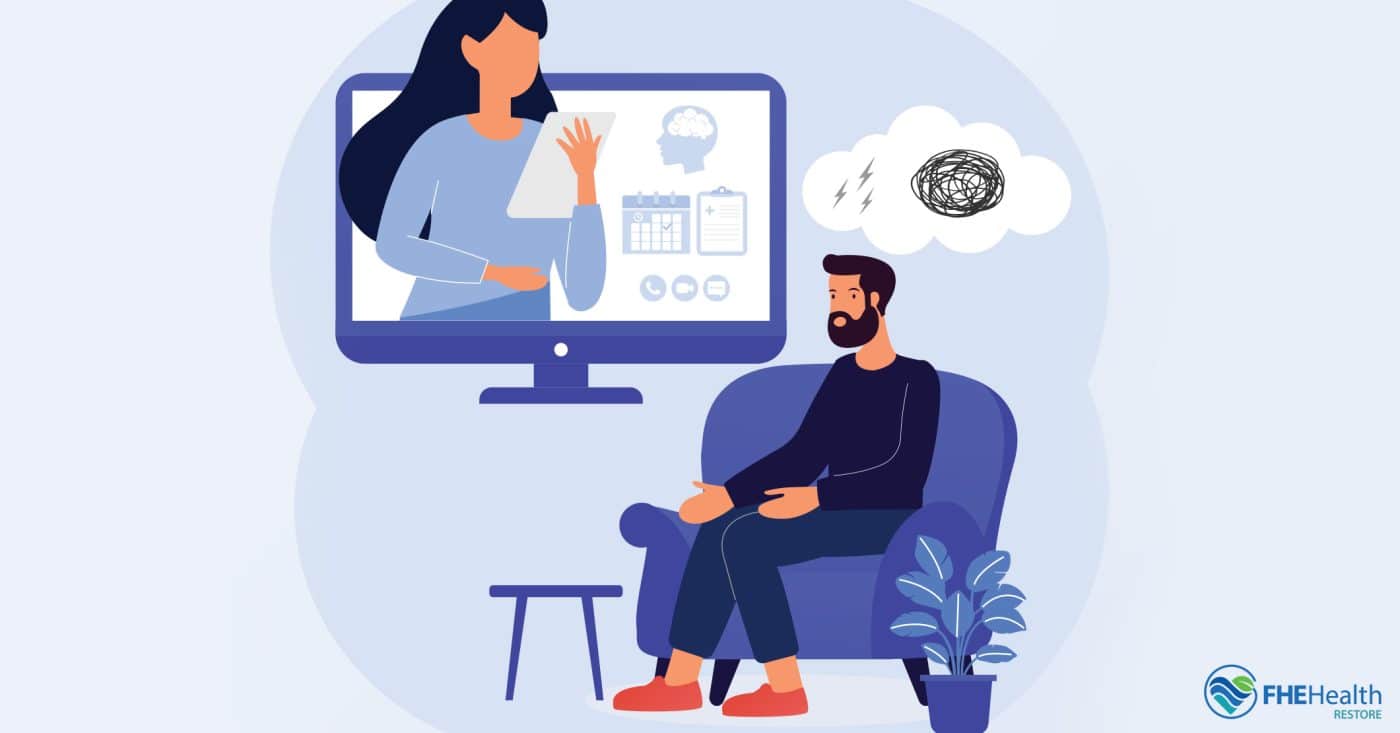
Teletherapy, or therapy delivered by video, phone or online, has become a common way to get mental health care. This guide covers what teletherapists do, what to expect from a session, whether teletherapists can prescribe medication, which conditions teletherapy can help with, its benefits and limitations, and where the technology is heading.
What Is a Teletherapist?
Teletherapists are like traditional therapists, except they provide mental health services over the Internet. Online therapy allows individuals to talk to a psychologist or counselor from the comfort of their own home from just about any location with Internet capability. During the COVID-19 pandemic, teletherapy use skyrocketed due to lockdowns and widespread anxiety over the pandemic. Even since the pandemic has waned, teletherapy has remained in demand, especially among those who face challenges attending in-person sessions and prefer the privacy of home-based therapy.
Teletherapists offer the following types of therapy:
- Individual Therapy: One-on-one counseling sessions to address a wide range of mental health concerns such as anxiety, depression, phobias, and behavioral disorders.
- Couples Therapy: Couples experiencing relationship difficulties or seeking to improve communication and intimacy can turn to a teletherapist for help.
- Family Therapy: Family members may use Zoom or other teleconferencing platform to speak to a teletherapist about relational dynamics, conflicts, and other issues.
- Assessment and Evaluation: Licensed teletherapists can conduct online assessments to diagnose mental health conditions or evaluate treatment progress.
Therapists are licensed professionals who provide therapy and other similar treatments to help people deal with mental and emotional health problems. They have a master’s degree and have completed supervised training before becoming licensed to practice.
Therapists who have earned a master’s and doctoral degree (Ph.D. or PsyD.) work as psychologists. Psychologists generally spend a year in supervised practice and must pass a national exam and additional state exams to become licensed to practice.
What to Expect From Online Counseling
In many ways, a teletherapy session is similar to traditional therapy. In-person therapy does not typically require physical touch or laboratory tests—except in specific cases—so it’s quite easy to replicate the experience through a video call.
The approach is also similar to in-person counseling. There will be a few sessions where you and your therapist get to know each other better and discuss what your goals are. In following calls, your psychologist will dive deeper and make recommendations that could help you manage whatever issues you’re experiencing.
However, rather than doing so in person, you may be asked to download a specific app such as Zoom, Skype, or Discord. Some therapists may even offer FaceTime or similar options. However, in general, most professionals use a specific web portal instead of a dedicated application. Many prefer this approach because of the ability to encrypt and protect the video calls. If you’re not familiar with the tool you will use, it can be helpful to take a few minutes to look up some guides or advice on how to use it properly. This way you can avoid any hiccups during the actual session.
Depending on the provider, some may even offer to provide therapy over a simple phone call, though this does introduce many other issues that a video chat avoids. Some groups offer therapy through texts, emails, or chat applications, but the average person should be wary of these services. Often, these companies do not employ licensed professionals or do not take steps to ensure your privacy.
That being said, a qualified and professional psychologist may offer these methods of communication to specific people who have issues that would otherwise make a telehealth session too difficult.
If you have any concerns or questions, many psychologists are extremely understanding and are willing to help you find a way to make the whole experience more comfortable. Feel free to ask about what steps they are taking to protect your confidentiality and avoid other people viewing sessions or peeking at notes. Ultimately, this is about your care, so your input is the most important.
Can a Teletherapist Prescribe Medication?
No, teletherapists typically cannot prescribe medication unless they have earned the level of medical training required to be able to prescribe medication. In most states, prescribing medication is limited to licensed medical professionals such as psychiatrists, nurse practitioners, or physicians. However, teletherapists who cannot prescribe medication will often collaborate with medical professionals to ensure clients receive the comprehensive care and medication they need.
Licensing requirements to prescribe medication for mental health disorders vary depending on state laws and the type of medication being prescribed. In most cases, the following professionals have the authority to prescribe medication for mental health disorders:
Psychiatrists: Psychiatrists specialize in diagnosing and treating mental health conditions. They can prescribe any type of medication for mental illnesses, including psychotropic medication for schizophrenia and other psychoses.
Psychiatric Nurse Practitioners (PNPs): Psychiatric nurse practitioners are advanced practice registered nurses with specialized training in psychiatric care. Depending on the state in which they work, psychiatric nurse practitioners may be able to prescribe psychiatric medications such as antidepressants, antipsychotics, and mood stabilizers.
Physicians: Primary care physicians can prescribe medications for depression and anxiety but typically refer patients whom they suspect have more serious disorders to psychiatrists for further evaluation.
Obtaining a Diagnosis From a Teletherapist
Teletherapists often require one or two sessions with their clients before they make a diagnosis. Early sessions typically involve the teletherapist asking the client questions to gain an understanding of their mental health concerns. Teletherapists will want to know more about the specific symptoms that led a client to seek teletherapy, their current lifestyle choices, and their overall medical history.
Once the teletherapist has enough information to provide a valid diagnosis, they will develop a personalized treatment plan and explain what happens going forward. This plan may include different therapeutic interventions, such as cognitive behavioral therapy, exposure therapy, or motivational interviewing, and how to use coping strategies to alleviate anxiety or depression.
If your teletherapist thinks you would benefit from medication, they may either collaborate with or refer you directly to a psychiatrist or physician who is licensed to prescribe medication. With your permission, the teletherapist can share their assessment of your symptoms with the licensed prescriber and obtain the prescriber’s input on medication choices. Teletherapists must get the permission of their clients before they can consult with another professional about a client’s personal information.
Once the psychiatrist or physician determines that medication is necessary, they will prescribe the appropriate medication and dosage. The teletherapist can monitor the client’s response to medication during therapy sessions and provide feedback to the prescribing provider. Depending on how the client reacts to the medication, dosage amounts could be increased or reduced until optimal results are achieved.
Should You Trust the Diagnosis Provided by a Teletherapist?
Unlike traditional face-to-face therapy sessions that allow therapists to read non-verbal cues and body language, teletherapy relies primarily on verbal communication and facial expressions. This could potentially impact diagnostic accuracy.
The trustworthiness of an online diagnosis also depends on the competence and credentials of the teletherapist. Be sure to confirm that a prospective provider has the appropriate licensure, credentials, and experience to diagnose your condition.
These considerations notwithstanding, numerous studies suggest that teletherapy can yield roughly the same level of diagnostic accuracy that traditional in-person consultations offer. A 2022 study found that “remote (teletherapy) treatment is a viable alternative to in-person therapy” as both remote and in-person subjects of the study experienced improved quality of life and reduction of symptoms. However, researchers note that continuous advancements in telehealth technologies will be essential to consistently improving diagnostic reliability.
Teletherapy for Specific Mental Health Conditions
Teletherapy, which may also be called cyber-counseling or e-therapy, involves obtaining mental health services over the phone or internet. Depending on the preferred forms of communication between the client and the counselor, services may be offered through online chats, text messaging, emails, phone calls and video conferencing.
When they first developed, teletherapy services came with some concerns regarding privacy and confidentiality. However, today, online therapy is held to the same legal standard for confidentiality and HIPAA laws as in-person therapy, making it safer than ever to seek counseling from an online provider.
The efficacy of teletherapy depends largely on the condition it’s treating as well as the experience of the therapist and the client’s level of compliance with their service plan. In some cases, virtual visits prove to be as effective as in-person care for managing certain conditions, while other cases have better outcomes when the client has face-to-face sessions with their therapist.
How Can Teletherapy Help With Depression?
Talk therapy is the gold standard for treating depression, giving the client opportunities to reflect on and share the thoughts, beliefs and situations that contribute to their mental health. Through therapy, the individual can learn more effective ways to cope with their stressors and manage depression symptoms.
As it turns out, these sessions may not need to be in-person to be effective. According to one study, teletherapy for depression is just as effective as in-person treatment. In fact, for someone with severe depression who may be unable to confidently schedule regular in-person appointments, teletherapy may be the most accessible way to obtain care.
How Can Teletherapy Help With Anxiety?
For those living with anxiety, basic tasks can feel insurmountable. They may face a variety of obstacles such as traffic, crowded waiting rooms and challenging parking situations that make it difficult to even think about scheduling an appointment. For some, the idea of talking to someone face-to-face about their symptoms can pose another set of challenges.
Fortunately, in a 2021 study, researchers observed no significant differences in teletherapy services versus in-person care for those with anxiety. Mental health practitioners were able to use the same types of therapy virtually as they did with in-person visits, and their clients saw the same treatment outcomes.
How Can Teletherapy Help With Post-Traumatic Stress Disorder?
About 6% of adults will experience post-traumatic stress disorder at some point in their lives, and about 5% of people have PTSD in any given year. Among those, about 36.6% have a serious impairment related to this disorder, meaning that it caused significant disruption to their everyday life. Unfortunately, for many people, treatment is out of reach due to the debilitating nature of the disorder itself, the lack of qualified mental health practitioners in their area or the time and expense associated with treatment.
Telehealth services remove many burdens associated with obtaining PTSD treatment and fortunately, it’s just as effective as in-person sessions. According to one meta-analysis that considered 13 studies, there’s no significant difference in outcomes with teletherapy versus face-to-face interventions.
How Can Teletherapy Help With Bipolar Disorder?
Bipolar disorder causes serious shifts in an individual’s moods, taking them from extreme highs to extreme lows. As a result, it can cause significant disruptions to the individual’s life, making it difficult to maintain relationships as well as financial stability.
For most people, managing bipolar disorder typically includes medications such as mood stabilizers and regular talk therapy. In many cases, an individual’s treatment plan includes advanced neuro rehab services, a noninvasive type of treatment that retrains the brain to effectively manage and regulate neural activity.
As is the case with many other mental health conditions, bipolar disorder can be effectively treated with teletherapy. However, this format doesn’t offer access to the same types of treatment that face-to-face therapy provides, which may negatively impact the overall effectiveness for some clients.
Strengths and Benefits of Remote Therapy
As we’ve already mentioned a few times, accessibility is one of the top reasons for teletherapy becoming far more prevalent. However, it doesn’t stop at geographic access to counseling. Millions of people have certain circumstances that could prevent them from seeking in-person help. Maybe they have a condition that limits their mobility, a mental health issue that stops them from leaving their home, or even something as simple as being unable to fit typical therapy into a busy schedule.
Video therapy is far more convenient and almost anyone can utilize it. You no longer need to take the time to travel to an office, find a babysitter, or take off time from work. All you have to do is find a time slot that works for you and call in.
Plus, the access to quality professionals is far better. Under typical circumstances, a person seeking counseling has a handful of psychologists to choose from. This can be immensely problematic for a number of reasons. Perhaps you prefer a female counselor, but only males are available in your area. You would either have to deal with it or go without care. In many areas, LGBTQ+ clients are unable to find affirming therapists. Even beyond these, as unfortunate a truth as it may be, not every psychologist is a perfect professional who provides optimal care. Maybe they are a good therapist, but the two of you simply don’t mesh well.
Telehealth eliminates those barriers, opening you up to an entire world of quality professionals, so you can find someone who suits your needs.
Furthermore, for some people, privacy is a major sticking point. Traveling to someone else’s office and talking about yourself can make you feel very vulnerable. Teletherapy lets you call in from a location where you feel safe and comfortable.
Limitations of Teletherapy
While virtual therapy is a great boon to many people, it still has certain limitations for both the client and the psychologist. Most notably, the possibility for distraction is higher when not in a more clinical setting. From your phone to messages on your computer, it can be difficult to keep your mind focused on the session.
Some psychologists have also found that they miss certain physical cues that can reveal a lot about how their clients are feeling.
Telehealth also requires at least one device with a camera and a solid, private internet connection. While this is quite common, it is still not guaranteed—especially in lower-income or rural areas. Plus, the application itself may have glitches or bugs. Even great connections can have delays which could make sessions more stressful.
Additionally, psychologists have far fewer options to directly support clients who need it. For example, someone who might be a danger to themselves or others may require more care than is available through virtual therapy.
And, while teletherapy patient outcomes are usually positive and equal to in-person, the communication method isn’t for everyone. Some people do not do well with digital communication and this style of therapy will not work for them.
Existing Hurdles and Challenges
While the surge in popularity of teletherapy is exciting, it is worth noting that this form of therapy has some unique hurdles and challenges:
- The digital divide is a barrier for some populations. Many people don’t have phones, laptops, or reliable Internet connections.
- Mental health issues and diagnosed conditions aren’t equally distributed. Young adults are affected disproportionately, along with black and Hispanic populations, individuals receiving treatment for other pre-existing conditions, unpaid caregivers, and others.
- Building virtual rapport is a hurdle. So is how to remain engaged in the virtual therapy session after working using computers all day.
- Another challenge is the number of providers to manage the increasing number of individuals seeking teletherapy.
- Varying guidelines on how to provide remote therapy across state lines are confusing.
- Not all virtual therapists are skilled enough to handle remote emergencies.
Teletherapy vs. In-Person Therapy: How to Choose
To determine which treatment option best fits your needs, it’s helpful to consider the pros and cons of teletherapy and in-person services.
The Pros of Teletherapy
- Easily accessible from any computer or mobile device with an internet connection
- Greater flexibility for those with schedule or transportation considerations
- It may be a cost-effective alternative to traditional in-person therapy
The Cons of Teletherapy
- It may be more challenging to build a personal connection
- It may not be an ideal format for those with short attention spans
- Technology challenges, such as a poor internet connection, could disrupt sessions
The Pros of In-Person Therapy
- Immediate feedback with verbal and visual cues
- Proven track record of effectiveness
- A more thorough assessment during the evaluation process
The Cons of In-Person Therapy
- Some clients in remote or rural areas may have difficulty finding a local provider
- May have a higher out-of-pocket cost than teletherapy
- Not accessible to those with conditions such as agoraphobia or social anxiety
Teletherapy isn’t for everyone, and in some cases, it can create frustration when an individual isn’t meeting their goals or seeing improvements in the conditions they’re addressing. In some cases, a hybrid approach that incorporates in-person and teletherapy sessions may maximize the benefits of both options while addressing their downfalls. For others, regular in-person visits provide the best setting for addressing mental illnesses and disorders and accessing the treatment they need for rehabilitation.
The Future of Teletherapy
Everyone wants convenience. This extends to every part of our lives, including the question of how to receive counseling and therapy. When in-person counseling is not available or convenient, individuals who need professional help turn to other avenues to get it. For an increasing number of Americans, this means using virtual therapy or teletherapy.
In parallel, the cultural shift in mental health fueled teletherapy trends. Seeing, reading, and hearing about sports and media celebrities discussing their mental health issues and the devastating effect it has on their lives brought virtual therapy into the limelight. No longer an exotic, foreign concept, teletherapy gained adherents and converts. It is no longer considered taboo to talk about struggles with mental health and to seek help to cope with challenges.
Teletherapy Trends: Emerging Technologies
In mental health, the most exciting teletherapy trends involve several emerging technologies. This is unsurprising since online or virtual therapy access is increasingly affordable, convenient, and accessible everywhere.
Besides accessibility and convenience, these new technologies that are set to transform mental healthcare offer many ways to provide support that’s highly personalized and data-driven. They are also believed to enhance treatment effectiveness.
Their success will depend on careful leveraging of their full potential. There is no question that as mental health practitioners embrace these technologies, virtual and teletherapy will continue to be recognized as powerful approaches for promoting well-being and addressing mental health issues.
Three emerging mental health technologies for teletherapy promise to further revolutionize mental healthcare for millions worldwide. Wherever there is an online connection and secure, uninterrupted connectivity, people who desire expert counseling can receive the help they need. The new technologies that capture the most attention include:
- Virtual Reality (VR) — Many young people already use VR technology. This technology can supplement traditional counseling with interactive and immersive experiences in mental healthcare. Social skills training and exposure therapy are two potential applications.
- Artificial Intelligence (AI) — Today’s technology has limitless applications in many fields. AI promises to support and enhance teletherapy for mental health through virtual assistants, chatbots, and predictive analytics. It isn’t without challenges, however, so individuals considering AI-enabled mental health services should look for trust providers with the highest security standards and protocols implemented.
- Wearable Devices — From smartwatches to fitness wearables, these intelligent technologies play essential roles in biometric data collection, aiding treatment approaches and providing real-time feedback. Other benefits include biofeedback, stress management, mood tracking, and early intervention.
Engaging Online Tools Promote Faster Acceptance
Among teletherapy trends, one of the most exciting is the development of online therapy advancements designed to engage participants.
For example, since building rapport online can be a problem, a new technology that helps overcome this hurdle is welcome. At the same time, with increasing rapport comes the comfort of accepting virtual therapy and committing to this form of receiving help.
For those in rural areas, accessing quality mental healthcare is often a significant barrier. Teletherapy helps bridge the gap and allows more people to benefit from professional counseling without traveling long distances. Besides, online therapy advancements make scheduling, attending, and interacting with trained therapists convenient, flexible, and affordable.
Continue Seeking Help When Teletherapy Isn’t Working
While teletherapy offers the convenience of immediate, in-home counseling, it is up to the person seeking treatment to determine whether virtual therapy is helping. Sometimes, in-person counseling can provide that face-to-face interaction which some people need to experience a deeper, more authentic connection with their therapist and more peace of mind that their needs are being met.
Restore Mental Health in Deerfield Beach offers in-person residential and outpatient treatment programs that provide personalized mental health services for a wide range of conditions. Call (877) 810-2074 or contact us today to learn more about our programs.
Contact Restore Mental Health
